


Your dry hair remains dry due to a combination of factors that prevent moisture from penetrating your hair. It could be environmental damage (heat, sun, wind), overwashing, using harsh formulas, and genetic blocs (low scalp oil/porosity). It could also be due to an underlying health factor. All these undermine the structure of the cuticle, so it loses its ability to hold moisture. How you finally fix it is by using a deep conditioner for dry hair.
Why Regular Conditioning Products Do Not Work With Dry Hair: Here’s What Works
Dry hair is rarely the result of a bad product. It's usually a pattern. Over washing, heat styling, colouring and other environmental agents will slowly dry the hair shaft. Once it happens, lightweight conditioners do not penetrate effectively into your hair since they are not concentrated enough. Once the outer layer of the hair is damaged, the hair becomes dried up and moisture is lost at a higher rate than it can be restored.
The damage won’t fix itself. Rather, it’ll keep compounding over time. This is why many individuals are perpetually trapped in a cycle of washing and conditioning and yet end up with flat, split strands. Top quality conditioners are designed to repair prolonged dryness. That is where a deep conditioner for dry hair comes in.
Dry Hair vs Dehydrated Hair: Why the Difference Matters
Dry hair lacks natural oils. Dehydrated hair lacks water. A significant number of individuals encounter both, often simultaneously. When your hair is coarse despite showering, looks flat the next morning or becomes unmanageable in humidity, you are most likely experiencing the effects of dehydration alongside dryness. A surface conditioner can temporarily flatten the cuticle, but will not replenish internal moisture levels.
A deep hydration hair treatment works differently. It penetrates deeply into the surface layers, allowing the strands to retain moisture longer rather than allowing it to escape just after styling hair. This difference is significant because treating dryness without dealing with hydration is what makes the treatment outcome unsustainable.
Hair Porosity and Its Role in Chronic Dryness
Hair porosity is the degree to which moisture gets in and out of your hair. Most individuals with dry hair do notrealise they have low porosity strands, which means the cuticle layer is tight and cannot absorb moisture. This is why sometimes the products do not absorb into the hair but sit on it. It further explains why certain masks seem to weigh hair down without necessarily making it soft.
The National Center of Biotechnology Information (NCBI) emphasises that degraded cuticles changes the way hair absorbs and retains water. This renders the choice of products and method of application as significant as the ingredients.
This is why the best mask for low porosity hair may not be the right one to use. It’s best to use one that moisturises without coating the strands.
Why Frizz Is a Hydration Problem, Not a Styling Issue
People tend to blame humidity for frizz when it is actually inner dryness.
This occurs when dry hair soaks in moisture from the environment, causing the cuticle to lift and swell. That is why frizz appears regardless of blow-drying or straightening.
A deep conditioning hair mask for frizzy hair helps restore moisture. It also helps repair environmental damage done to your hair from within. Once your hair gets this nourishment, frizz is tamed without you having to use an extra styling gel.
What Makes a Deep Conditioner Actually Work
Not all deep conditioners are created equal. Many of them are concerned with slip and softness instead of long-term hydration.
An effective deep conditioner for dry hair must:
-
Deliver moisture beneath the cuticle
-
Strengthen the hair's natural barrier
-
Improve elasticity without stiffness
-
Leave hair hydrated even days after use
The use of ingredients such as plant proteins, balanced humectants, and advanced conditioning complexes is better when paired with oils. It is in this respect that professional formulas are different from cosmetic masks.
Where GK Hair Fits Into a Hydration-Focused Routine
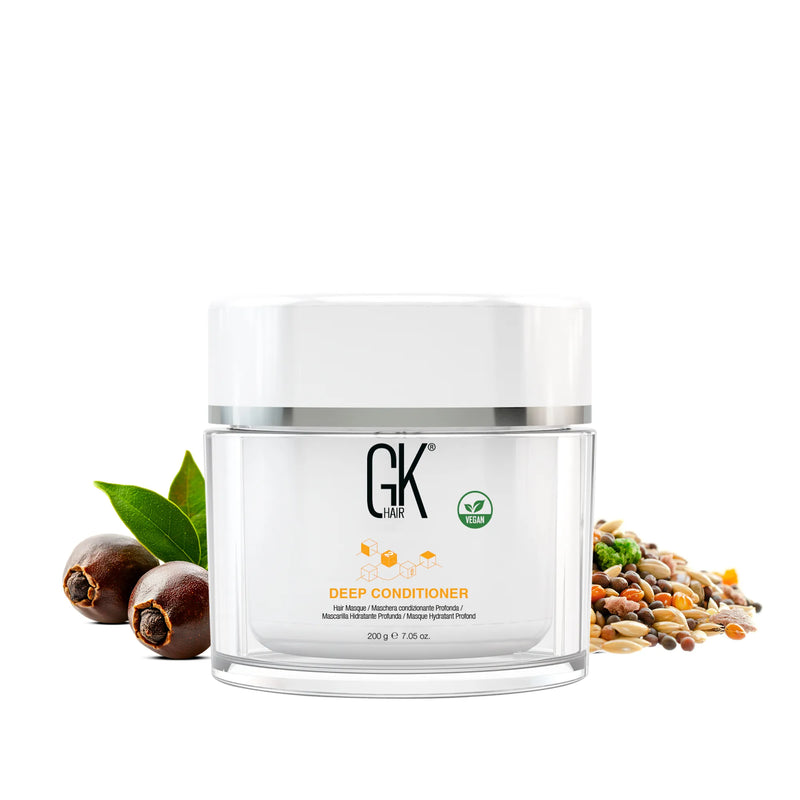
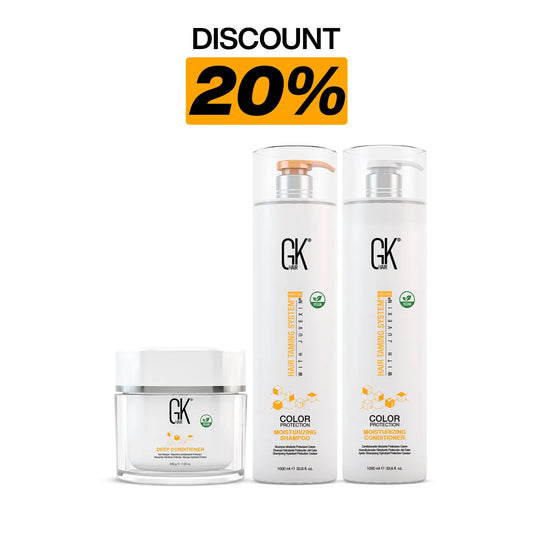
If your hair stays dry no matter what you try, professional grade treatment like GK Hair’s Deep Conditioner Hair Treatment is your go-to. GK Hair deep conditioning treatment is infused with Juvexin V2, a plant based protein blend that helps in strengthening the structure of the hair and retention of moisture. It is rich in natural seed oils and is sulphate-free. This practice facilitates internal hydration rather than masking surface dryness.

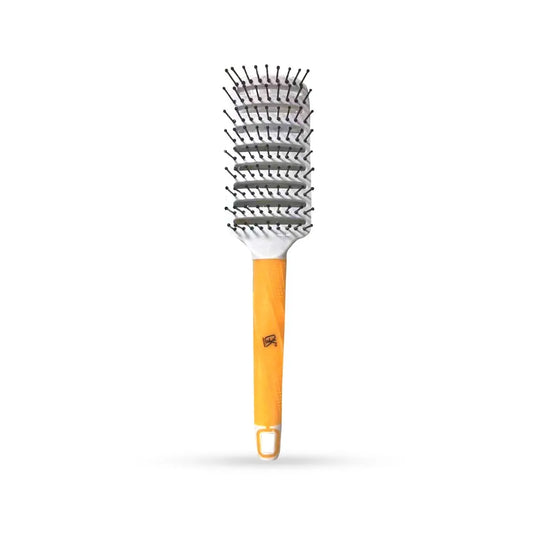
Combined with GK Hair tools such as wide-tooth detangling combs or low-heat styling tools, the hair will have less friction and breakage, which means that hydration will take longer time between washes.
How to Deep Condition Your Hair
-
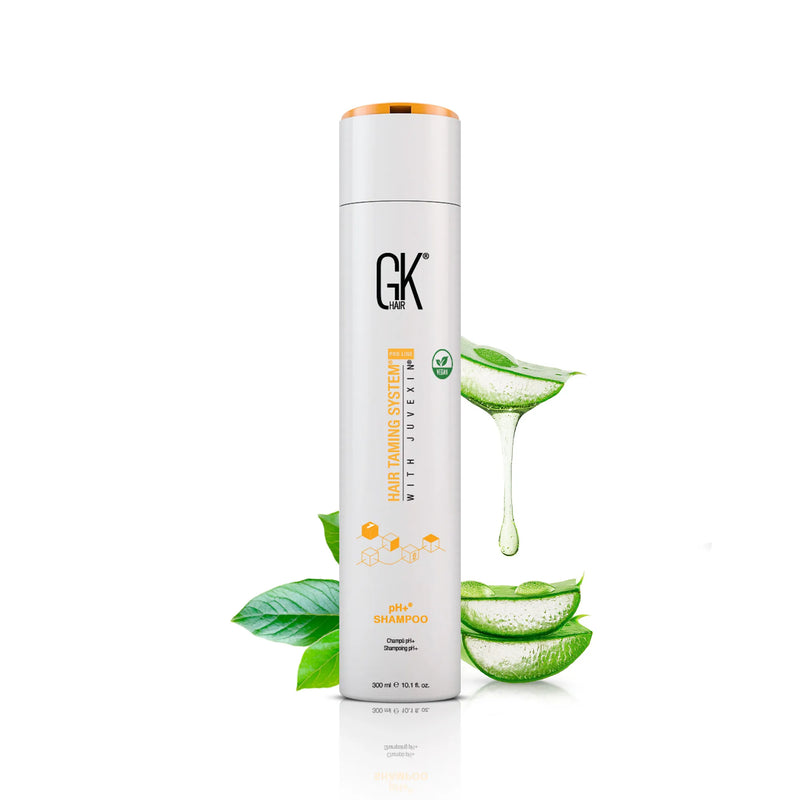
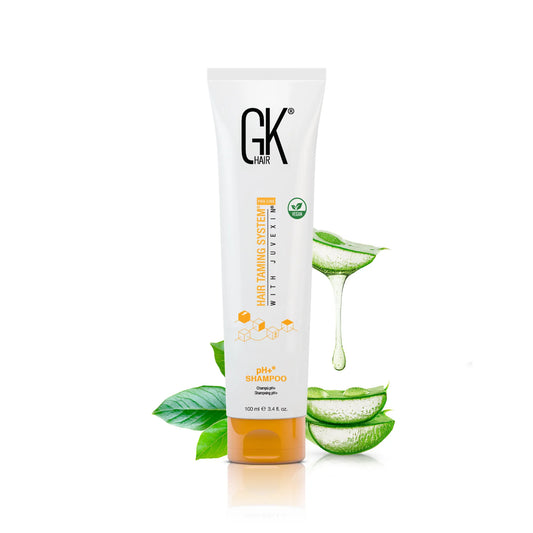
Begin with clean hair. To get a maximum result, clarify your hair with GK Hair’s pH+ Shampoo to clean your hair of all impurities and product buildup.

-
Gently towel-dry your hair so it is damp before you start with the deep conditioning treatment.
-
Evenly apply GK Hair’s Deep Conditioner Hair Treatment and leave it on for 20 minutes from mid-length to the ends.
-
Rinse out thoroughly.
Here’s a step-by-step video on how to deep condition your hair.
How Often Should You Deep Condition?
Frequency matters. Excessive use may drag hair down and underuse may leave dryness unsolved. Deep condition at least once a week, on dry or damaged hair. Nothing tells better than how it feels, not how it looks.
Common Habits That Nullify Deep Conditioning Treatments
Most individuals sabotage the benefits of the deep conditioner treatment through their daily routines. Habits like:
-
Constantly using heat tools just after a treatment session can reopen the cuticle, leading to moisture loss.
-
Skipping leave in products can spell danger to your hair.
-
Using a rough towel to dry hair.
The Environmental Working Group (EWG) also upholds that harsh cleansing agents damage the hair barrier, making it more difficult for hair to stay hydrated. The deep conditioning treatments have been proven to be most efficient when used with gentle cleansing, controlled heat and protective styling habits.
Need to purchase a top quality leave in conditioner product? Find out from this guide: The Best Leave-In Conditioner for Dry, Frizzy Hair: An Expert Guide to Formulas, Ingredients, and Top Picks
The Bottom Line
Dry hair doesn’t remain dry because you are doing nothing. It remains dry because the wrong solutions are applied to the wrong problem. As soon as you understand hydration, porosity, and internal moisture loss, you will begin to see a change in the results.
A good deep conditioner for dry hair doesn’t just make hair soft, but it also helps retain moisture. GK Hair’s Deep Conditioning treatment helps bring your hair back to being manageable!


Leave a Comment