


There’s always that moment when hair damage becomes impossible to ignore. It tangles more easily and feels dry no matter how much conditioner you use. Shine disappears. Styling becomes harder, and suddenly, keeping up with your hair feels more like torture. Still, transitioning from brittle to brilliant isn’t about searching for a miracle; it’s about discovering specific hair care products for damaged hair that actually work.
What Hair Damage Really Looks Like (and Why You’ve Got It)
To fix a problem, you need to know why it occurred in the first place. So, what exactly are we talking about when we say “hair is damaged”?
This type of damage happens when the outer layer of hair, the cuticle, is compromised. It tends to happen gradually, and most people develop it as a result of a combination of factors:
-
A few too many sessions with the flat iron
-
Stunning (but stressful) chemical treatments (colouring, relaxing)
-
UV exposure
-
Hard water and the harsh European winter air
-
Rough detangling or brushing
-
Over-washing or product build-up, and the list goes on.
With the cuticle raised or worn away, moisture naturally slips away. Hair becomes porous, weak, and more likely to snap. According to Healthline, damaged hair often shows up as dryness, dullness, split ends and decreased elasticity, signs that the structure within the hair is breaking down and needs more than a skin-deep shine.
It's why a true hair treatment for damaged hair goes deeper than quick cosmetic fixes. You’ll need a routine that balances hydration with protein reconstruction.
Step One: Cleanse Without Stripping
Many routines fail at the very first step.
Damaged hair doesn't require a harsh clean. It needs balance, a shampoo that cleanses buildup without rinsing away what little moisture or strength your hair has left.
What to Look for in a Shampoo:
-
Sulphate-free or low-foam formulations
-
Gentle surfactants
-
Ingredients that support protein balance and hydration
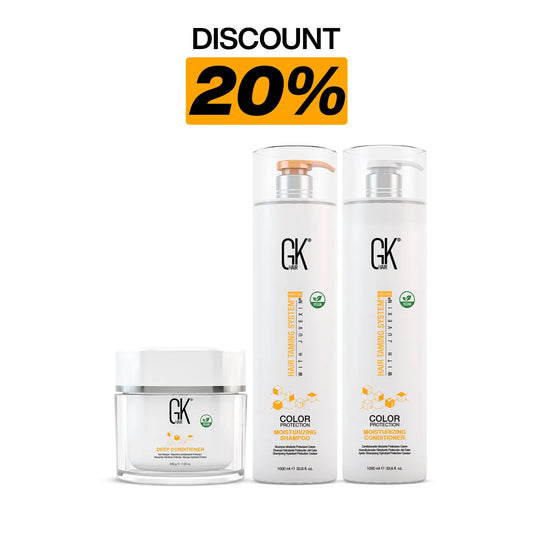
Our Pick: GK Hair Moisturizing Shampoo
This is an ideal foundation shampoo for damaged hair, as it washes without being harsh and keeps the hair’s structure. The presence of Juvexin, GK Hair’s special keratin blend, helps protect the hair shaft during washing, something many shampoos overlook entirely.
Placement Tip: Use as your regular wash 2-3 times per week. Massage with light pressure at the scalp and allow the lather to seep through your lengths rather than scrubbing them.

Step Two: Condition for Strength, Not Just Softness
A conditioner is often treated as a detangler. For damaged hair, it should be more than that.
A good conditioner helps:
-
Smooth the cuticle
-
Improve elasticity
-
Reduce friction that causes breakage
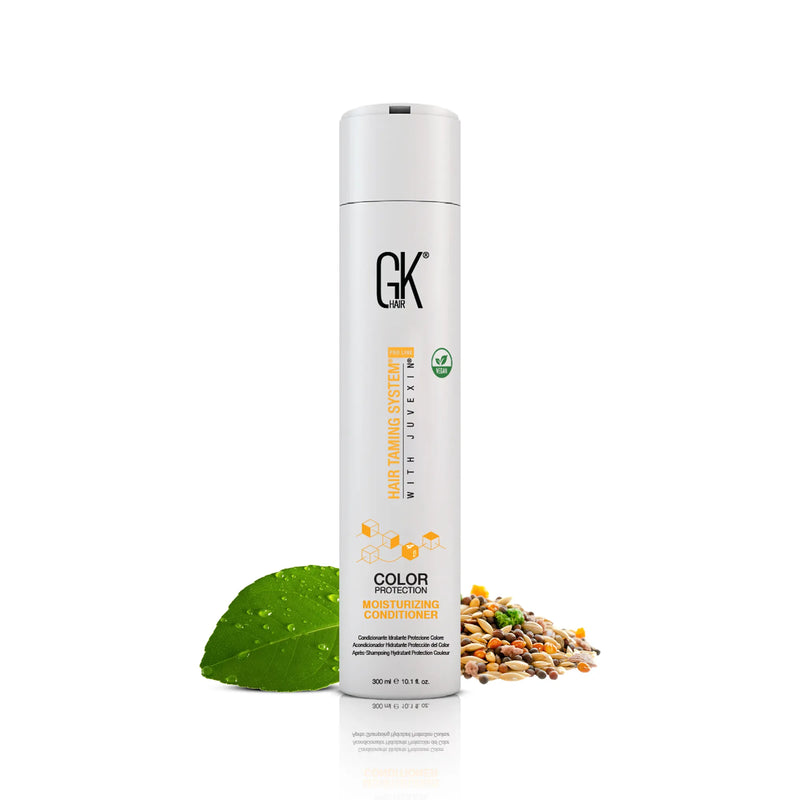
Our Pick: GK Hair Moisturizing Conditioner
This conditioner is also sulphate-free and a perfect choice for damaged hair as it focuses on bringing back manageability without dragging the hair down. It softens, yes, but more importantly, it strengthens the hair against daily stress.
Placement Tip: After rinsing out your moisturising shampoo, apply the conditioner from mid-length to ends. Leave on for 2-3 minutes and then rinse. For hair that’s extremely dry, you can leave it for a little longer.
Together, this duo makes the best shampoo and conditioner for damaged hair when consistent results matter to you more than novelty.
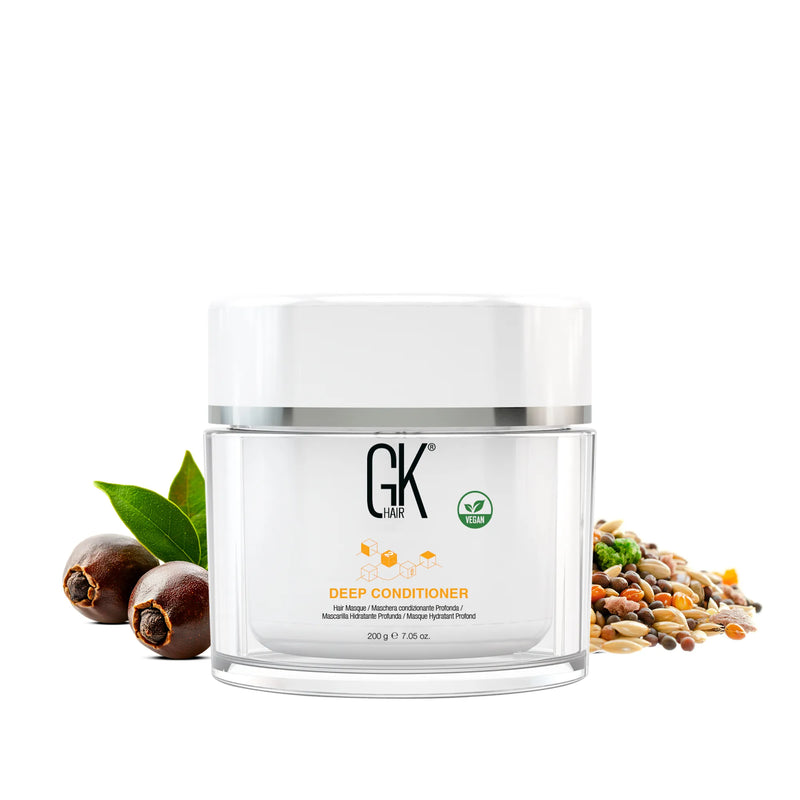
The Weekly Rescue: GK Hair Deep Conditioner
Normal conditioning is for maintenance; deep conditioning is for repair. If your hair is breaking, then a weekly mask is non-negotiable.
Think of this particular deep conditioner as a "spa day" for your hair. Enriched with anti-ageing keratin and natural jojoba seed oils, it's made primarily for deeper penetration into the cortex, meaning, the core part of the hair fibre. This reinforces strength and allows your hair to hold moisture better.
Pro Tip: After applying it to damp hair, wrap your head in a warm towel for 20 minutes. The mild heat keeps the cuticle open just long enough for the Juvexin to fully penetrate the hair’s core.

Step Three: Introduce a Targeted Hair Treatment
This is where recovery truly begins.
A proper hair treatment for damaged hair works at a deeper level, helping reinforce weak areas and improve the hair’s resilience over time.
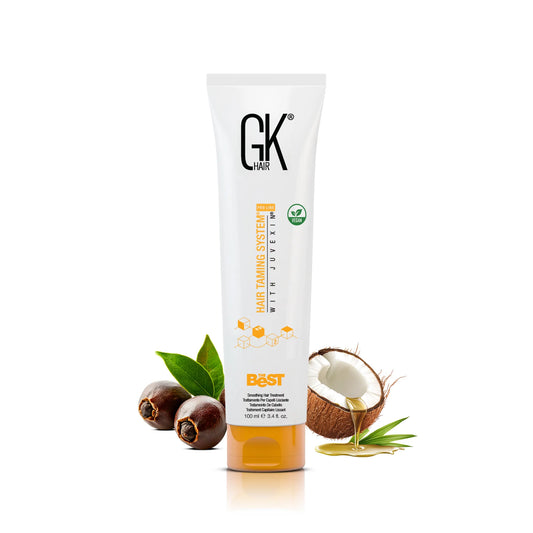
Our Recommendation: GK Hair The Best Hair Treatment
This treatment is not an everyday step, and that’s exactly why it works.
Formulated to strengthen and smooth the hair fibre, it’s designed to be used occasionally, allowing the hair to rebuild rather than become over-treated. It gets even better: the treatment leaves your hair feeling up to eight times healthier than before, while keeping it noticeably more manageable for up to five months.
Placement Tip: Use once every 3 to 6 months, or as needed, depending on damage level (4 to 6 months for fine hair; 3 to 4 months for thick hair; 4 to 6 months for colour-treated hair). To get the best results, kindly watch the video below for a quick demonstration on how to use it.
When used correctly, treatments like this help hair feel stronger, not just temporarily smoother.
Step Four: Seal and Protect With the Right Serum
If damaged hair has a nemesis, it’s friction, especially in humidity, wind, or daily styling. This is where a serum becomes essential.
The best hair serum for damaged and frizzy hair doesn’t just add shine. It:
-
Reduces moisture loss
-
Smooths raised cuticles
-
Protects against environmental stress
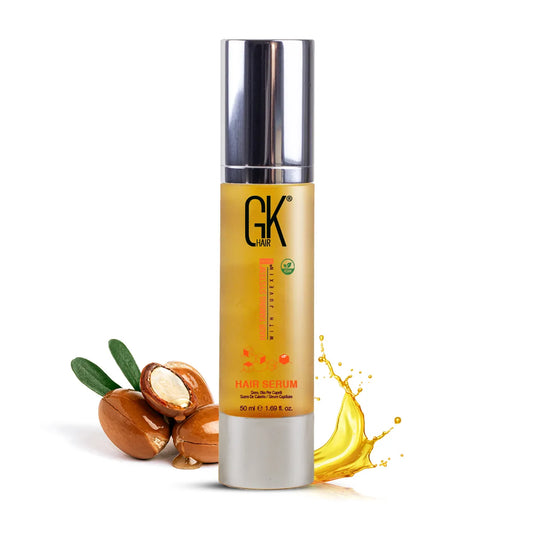
Our Recommendation: GK Hair Argan Oil Serum
Lightweight yet effective, this serum works beautifully on damaged hair that still needs movement. It smooths frizz without leaving that heavy, coated feeling many serums tend to.
Placement Tip: Apply a little amount on damp or dry hair (focus on your ends). For fine or medium hair type, apply it even more sparingly.
Supporting Habits That Make Products Work Better
Even the best hair care products for damaged hair only perform better when accompanied by healthy habits. A few adjustments can make all the difference in your results:
-
Stay away from heat styling for now. Applying heat to already brittle hair is like striking a match to dry parchment. Still, if you can’t afford to, ensure to lower your heat settings when styling. We also recommend using a good heat protectant like GK Hair ThermalStyleHer Cream. This particular one works because apart from protecting against heat damage, it also gives nourishment to the hair.
-
It’s always advisable to air-dry whenever possible
-
Use a microfibre towel instead of rubbing with cotton
-
Trim regularly to prevent splits from travelling upward
The NHS (National Health Service) highlights that gentler handling and reduced heat exposure play a major role in maintaining hair and scalp health over time. These changes don’t require perfection, just intention.
Don’t know the right routine that will nurture the new health in your hair? This one is for you: Healthy Hair Care: A Complete Guide to the Best Shampoos, Serums, and Daily Habits.
What Does Real Progress Look Like?
A routine is a process that requires building. You’ll likely feel a difference after the first wash, but true structural change happens over 4 to 6 weeks as the Juvexin builds up within your hair. Do understand that healing damaged hair isn't just about chasing some high standards. It’s more about noticing small, meaningful changes, such as:
-
Less breakage when detangling
-
Improved softness after washing
-
Better curl or wave definition
-
Hair that feels stronger week by week
Those signs mean your routine is working.
Wrap Up
Damaged hair doesn’t need trends or constant switching. What it requires is stability and timely support. By selecting the proper hair care products for damaged hair and sticking to an intentional routine, you can restore the natural shine your hair was supposed to have.
Need more products that can uphold and not compromise your hair? The full GK Hair Treatment range will help you take the next step towards stronger and more resilient hair strands.



Laisser un commentaire