


Gefärbtes Haar kann fantastisch aussehen, aber sobald der Schaden auftritt, zeigt er sich innerhalb kurzer Zeit – und meist, wenn Sie es am wenigsten erwarten. Anstatt Ihr beschädigtes gefärbtes Haar bis zu einem kritischen Zustand verschlechtern zu lassen, wird empfohlen, professionelle Hilfe zu suchen. Ihr gefärbtes Haar wird Ihnen jedoch diese Anzeichen geben, bevor es ausfällt.
7 klare Anzeichen, dass Ihr gefärbtes Haar beschädigt ist – und was Sie als Nächstes tun sollten
Was Sie tun, wenn Sie bemerken, dass Ihr gefärbtes Haar beschädigt ist, ist wichtig. Es sollte als Notfall betrachtet werden, sonst verlieren Sie Ihr wertvolles Haar.
Tun Sie Folgendes, wenn Sie diese Anzeichen bemerken:
Ihr Haar fühlt sich extrem trocken und rau an
Das erste Warnzeichen ist meist Trockenheit. Wiederholtes Bleichen, die Verwendung von permanenten Farben oder übermäßige Anwendungen von Bleichmittel und 20-Volumen-Entwickler können das Haar rau oder strohig machen, da die natürlichen Lipide des Haares entfernt wurden.

Forschungen haben gezeigt, dass Chemikalien wie Ammoniak die Haarkutikula beschädigen können, wodurch die Wahrscheinlichkeit von Feuchtigkeitsverlust steigt. Wenn Ihr Haar Conditioner aufnimmt, sich aber dennoch trocken anfühlt, ist das ein Hinweis darauf, dass Ihre Kutikula angehoben wurde und Ihre innere Struktur beschädigt ist.
Professionelle Lösung: Verlorene Feuchtigkeit kann mit einem Salon-Qualitätsprodukt ersetzt werden, wie zum Beispiel GK Hair Tiefenpflege-Haarbehandlung. Diese Haarbehandlung ist mit Juvexin V2 angereichert, einem pflanzlichen Protein, das optimiert wurde, um das Haar von innen heraus zu reparieren. Sie enthält Jojoba-Samenöl, um Frizz zu bändigen, und ist farbsicher.
Wenn die Bedingungen extrem sind, dann Nanoplastia Haarbehandlung ist an sich ein Wunder. Es entspannt, verdickt und erneuert die beschädigten Haarsträhnen mit der Zeit.
=== Inhalt aufgeteilt ===
Sie bemerken Bruch und kurze, abgebrochene Strähnen
Bruch tritt auf, wenn die inneren Schichten des Haarschafts schwach werden. Sie könnten einige Haare in der Nähe Ihres Waschbeckens, Kissens oder auf den Schultern bemerken. Dies passiert oft, wenn Farbe-zu-Entwickler Das während des Färbens verwendete Verhältnis ist falsch, oder wenn Sie Haarfarbe mit Entwickler mischen ungleichmäßig.
Laut einer Studie laut einer vom National Center of Biotechnology Information durchgeführten Studie zerstören oxidative Farbstoffe die Disulfidbrücken im Kortex.
Professionelle Lösung: Verwenden GK Hairs beste Haarbehandlung um weitere Schäden zu verhindern. Es poliert und stärkt das Haar von innen heraus.

Ihr Haar verfilzt mehr als gewöhnlich
Beschädigte Schuppenschichten reiben aneinander und reißen, was das Entwirren erschwert. Dies tritt besonders nach mehreren Bleichvorgängen oder einer starken Hitzebehandlung nach einem Färbeprozess auf.
Professionelle Lösung: Um Verfilzungen und Haarbruch zu reduzieren, investieren Sie in GK Hairs Vent-Bürste, ein professionelles Werkzeug von höchster Qualität. Es ist dafür konzipiert, Ihrem Haar beim Föhnen ein glattes Finish zu verleihen.
Ihre Farbe sieht stumpf aus oder verblasst zu schnell
Wenn Ihr Haar gesund ist, hält die Farbe in der Regel länger. Wenn Sie bemerken, dass Ihr Farbton innerhalb von Tagen zu verblassen beginnt, haben Sie wahrscheinlich mit Schädigungen der Schuppenschicht zu tun, die das Auslaufen des Pigments ermöglichen. Dies ist normalerweise ein Problem für Kunden, die häufig hochentwickelte Formeln verwenden oder ihr Haar selbst färben.
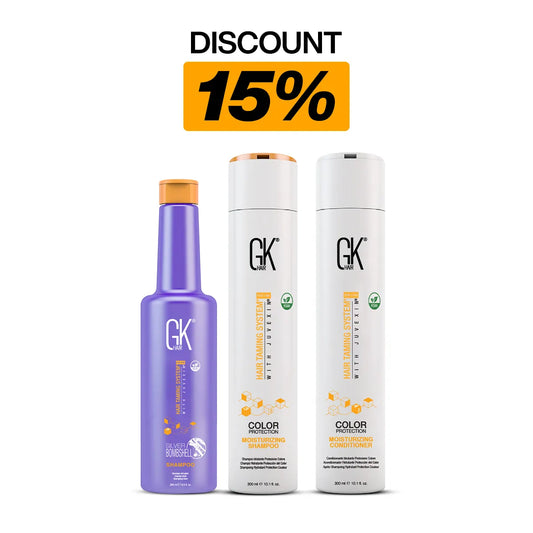
Verwenden Sie farbsichere Produkte und bitten Sie Ihren Stylisten, Ihnen mitzuteilen, ob der beste Entwickler für das geschädigte Haar ein Niedrigvolumen-Entwickler oder ein anderer ist. GK Hair’s Feuchtigkeitsspendendes Shampoo und Conditioner sind farbsicher und können helfen, Glanz und Lebendigkeit zu erhalten.

Ihre Spitzen fühlen sich matschig, schwammig oder dehnbar an, wenn sie nass sind
Dies ist ein Anzeichen für extreme Überbehandlung. Sobald die Bindungen der Proteine gebrochen sind, verhält sich das Haar wie zu lange gekochte Nudeln. Es dehnt sich und bricht, wenn es nass ist, besonders wenn Bleich- oder Färbesitzungen zu dicht aufeinander folgen.
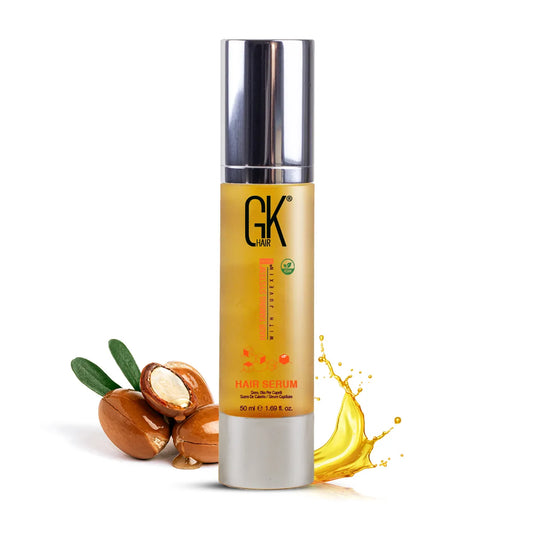
Professionelle Lösung: Ihr Haar benötigt Protein und Glättung. Nanoplastia Haarbehandlung ist in diesem Fall sehr nützlich, da es von innen stärkt, ohne neue Kräfte einzuführen. Tragen Sie das GK Hair’s Arganöl-Serum um weiteren Haarbruch an den Spitzen zu verhindern.

Ihre Kopfhaut fühlt sich empfindlich, gespannt oder gereizt an
Die Kopfhaut kann nach Farbveränderungen durch Entwicklerstärke, übermäßige Behandlung oder grobe Anwendungsmethoden reagieren. Schuppenbildung, Brennen oder Rötungen sollten nicht ignoriert werden. Chemische Kopfhautreizungen sind bei Personen, die regelmäßig ihre Haare färben, häufig.
Empfehlung
Hören Sie auf, aggressive Formeln zu verwenden, und wechseln Sie zu GK Hair’s Balancing Shampoo—sanft zu empfindlicher Kopfhaut. Auch hier sollte Ihr Stylist beim Färben die Formel und die Stärke des Entwicklers überprüfen. Vermeiden Sie es, die falsche Farbe und den falschen Entwickler selbst auszuwählen. GK Hair’s Juvexin Cremefarbe ist eine großartige Haarfärbeoption für Sie. Es gibt eine Auswahl von 125 Farbtönen, die Ihnen langanhaltenden Glanz und Lebendigkeit verleihen.

Nicht nur das, die Kombination der Cremefarbe mit GK Hair’s Creme-Entwickler ist die beste Vorgehensweise. Unser Creme-Entwickler kann je nach gewünschtem Ergebnis bis zu 4 Stufen Aufhellung mit optimaler Viskosität liefern. Was den Creme-Entwickler von GK Hair einzigartig macht, ist, dass er natürliche Inhaltsstoffe enthält, die helfen, Feuchtigkeit zu bewahren, und Sie so vor Haarschäden schützen.
Sind Sie ein Fan von Karamellfarbe? Lesen Sie mehr unter: Glow With Confidence: Get the Perfect Caramel Hair Today
Ihr Haar hält keine Frisur mehr oder fühlt sich schlaff an
Gesundes Haar hat Elastizität. Geschädigtes Haar hingegen ist schlaff und leblos, da die innere Struktur das Volumen nicht halten kann. Bei flachen Locken oder wenn ein Blowout nicht gehalten wird, ist dies ein Zeichen für geschwächte kortikale Fasern.
Was tun Sie? Verwenden Sie ein sanftes Volumenprodukt. Wir empfehlen Ihnen, GK Hair’s VolumizeHer Spray. Es ist leicht und hilft, Ihr Haar anzuheben, und hält den ganzen Tag. Es enthält keine aggressiven Chemikalien, die Ihr Haar klebrig machen könnten.
Wenn es Zeit ist, professionelle Hilfe zu suchen
Es ist möglich, leichte Trockenheit oder Frizz zu Hause zu behandeln, aber es gibt einige Anzeichen, die darauf hinweisen, dass es Zeit ist, einen lizenzierten Coloristen aufzusuchen:
-
Ihr Haar bricht, wenn Sie es sanft berühren.
-
Ihre Farbe hebt sich nicht an.
-
Ihre Kopfhaut reagiert auf den Entwickler.
-
Was auch immer Sie tun, Ihre Spitzen reißen weiter.
-
Nach Proteinbehandlungen bleibt Ihr Haar klebrig.
Experten kennen das Zusammenspiel von Faktoren wie der aufgetragenen Entwicklermenge, Farbintensität, Timing und der Porosität Ihres Haares. Sie helfen Ihnen, Ihre Formeln zu überprüfen, wie z. B. Bleichmittel und 20-Volumen-Entwickler, um zu wissen, ob sie Ihr Haar schädigen könnten. Fachleute können auch Ihr Farb-zu-Entwickler-Verhältnis für zukünftige Termine korrigieren.
Wie man zukünftiges beschädigtes gefärbtes Haar verhindert
Folgendes ist eine nützliche Strategie, der Sie folgen können:
-
Halten Sie einen regelmäßigen Farbplan ein: Das Bleichmittel oder die Farbe sollte nicht über bereits gefärbte Bereiche hinausgehen.
-
Wählen Sie hochwertige Entwickler: Der beste Entwickler für beschädigtes Haar sollte sanft, leicht in der Stärke und präzise angewendet werden. GK Hair empfiehlt ein Mischverhältnis von 1:1,5.
-
Verwenden Sie professionelle Werkzeuge: Alles zählt, wenn es um die Gesundheit Ihres Haares geht. Wenn Sie mit Hitze stylen, müssen Sie anschließend einen Hitzeschutz verwenden. Andere Accessoires, wie GK Hair Styling-Tools und Bürsten, helfen Ihnen, lebendiges Haar zu erhalten.
-
Balancieren Sie Protein mit Feuchtigkeit aus: Sie sollten keine Öle oder Masken verwenden; Ihr Haar braucht beides.
-
Konsultieren Sie regelmäßig Fachleute: Sie werden nicht immer Harry Potter sein, um alles zu erkennen. Ihr professioneller Stylist kann subtile Veränderungen in Ihrem Haar bemerken, bevor es zu Haarbruch kommt.
Abschließend
Beschädigtes gefärbtes Haar erfordert sofortiges Handeln, sobald diese Anzeichen erkannt werden. Sie möchten wirklich nicht mit größeren Problemen konfrontiert werden, wenn die Situation eskaliert. GK Hair garantiert Ihnen Farbstoffe und Entwickler, die nicht schiefgehen, sondern Ihnen einen langanhaltenden Glanz verleihen. Nicht nur das: Wir haben auch Bildungsleitfäden, die Ihnen auf Ihrem Weg zu gesundem Haar helfen.


Einen Kommentar hinterlassen