


Eine gesunde Kopfhaut ist das Geheimnis für schönes Haar. Sie ist jedoch ein Teil unseres Haares, der bei unserer Haarpflege meist vernachlässigt wird. Bei trockenen, juckenden oder brüchigen Strähnen ist eine leave-in-Kopfhautbehandlung genau das Richtige. Diese Formeln sind darauf spezialisiert, die gesunden Haarwurzeln zu nähren und zu unterstützen und langanhaltende Linderung zu bringen.
Was Leave-In-Kopfhautbehandlungen bewirken
Leave-in-Kopfhautbehandlungen beschweren den Stil nicht, da sie leicht sind und in die Kopfhaut sowie den Haarschaft eindringen. Sie sind nicht wie herkömmliche Produkte, die ausgespült werden, und bieten dauerhafte Vorteile, wie den Schutz des Haares und die Versorgung mit Feuchtigkeit. Verschiedene Faktoren, wie Umwelteinflüsse und übermäßiges Hitzestyling, können die Schutzbarriere der Kopfhaut schwächen.
Die Nationale Ekzeme-Vereinigung erklärt, dass eine Störung der Hautbarriere zu Feuchtigkeitsverlust, erhöhter Empfindlichkeit und Entzündungen führen kann. Hier müssen wir darüber sprechen, eine leave-in-Behandlung griffbereit zu haben.
Anzeichen, dass Ihre Kopfhaut eine Leave-In-Behandlung braucht
Sie bemerken ständige Schuppen, spüren nach dem Waschen ein Spannungsgefühl und sehen sichtbare Trockenheit. Es gibt jedoch auch weniger auffällige Anzeichen. Wenn Sie übermäßigen Haarausfall an den Wurzeln feststellen oder Ihr Haar an Fülle verliert, sind dies Signale für Kopfhautprobleme, die mit einem leave-in-Kopfhautbefeuchter behandelt werden können. Die Kopfhaut kann auch durch Wetter- und Jahreszeitenwechsel beeinflusst werden.
Umwelteinflüsse können bestehende Kopfhautprobleme verschlimmern, weshalb leave-in-Behandlungen bei Jahreszeitenwechsel unverzichtbar sind.
=== geteilte Inhalte ===
Wichtige Inhaltsstoffe, auf die Sie achten sollten
Die wirksamste Formel sollte feuchtigkeitsspendend, stärkend und beruhigend sein.
Keratin ist ein herausragender Wirkstoff, da es hilft, die Proteinstruktur des Haares von innen wiederherzustellen.
Natürliche Heilmittel leisten ebenfalls viel bei der Behandlung von Kopfhautproblemen. Hyaluronsäure ist nicht mehr nur auf die Hautpflege beschränkt, sondern hat nun auch Einzug in die Haarpflege gehalten. Laut einer Studie der Nationalen Gesundheitsinstitute kann dieses feuchtigkeitsbindende Molekül bis zum 1.000-fachen seines Gewichts an Wasser binden. Auf der Kopfhaut bildet es einen Feuchtigkeitspool, der den ganzen Tag anhält.
Andere ätherische Öle, wie Teebaumöl, besitzen antimikrobielle Eigenschaften und fördern die Durchblutung. Kamillen- oder Aloe-Vera-Extrakte sind ebenfalls hilfreich, um Reizungen zu lindern.
Eine Formel, die diese Wirkstoffe enthält, und keine aggressiven Substanzen wie Sulfate oder austrocknende Alkohole, sorgt für langanhaltende Lösungen.
Wie man Leave-In-Kopfhautbehandlungen richtig anwendet
Hier eine einfache Anleitung zur Anwendung der leave-in-Behandlung:
-
Waschen Sie Ihr Haar mit einer milden, feuchtigkeitsspendenden Formel und achten Sie darauf, dass es nicht tropfnass ist, bevor Sie mit der Anwendung beginnen.
-
Es ist in Ordnung, das Haar zu teilen, besonders wenn Sie dickes oder lockiges Haar haben.
-
Verteilen Sie GK Hair’s Leave-In Conditioner Cream gleichmäßig von der Haarmitte bis zu den Spitzen.
-
Kämmen Sie das Haar mit einer grobzinkigen Bürste wie der GK Hair’s Vent Brush und stylen Sie es anschließend.

Die besten Leave-In-Behandlungen für verschiedene Haarprobleme
Für trockene, schuppige Kopfhaut
Bei starker Trockenheit benötigen Sie einen tiefenwirksamen Befeuchter, der nicht beschwert. Der beste leave-in-Conditioner für trockene Kopfhaut besteht meist aus einer Mischung natürlicher Öle und Feuchthaltemitteln. GK Hair’s Leave-In Conditioning Cream bietet genau dieses Gleichgewicht: Sie ist angereichert mit Juvexin, einer keratinreichen Anti-Aging-Proteinkombination, und natürlichen Samenölen, die tiefenwirksam hydratisieren, ohne Rückstände zu hinterlassen.
Das Produkt ist ideal für alle, die täglich stylen. Es zieht schnell ein und hinterlässt ein entspanntes Gefühl auf der Kopfhaut, ohne fettig zu wirken. Es eignet sich auch besonders gut für den Winter, vor allem in Gegenden mit niedriger Luftfeuchtigkeit.
Es ist auch wirksam im Winter, für Menschen, die extreme Trockenheit erleben oder in Regionen mit geringer Luftfeuchtigkeit leben.
Für geschädigtes, überbeanspruchtes Haar
Sowohl Haar als auch Kopfhaut können durch chemische Behandlungen, Hitzestyling und Färben stark geschädigt werden. Die beste leave-in-Behandlung für geschädigtes Haar zielt darauf ab, das Protein wiederherzustellen, ohne das Feuchtigkeitsgleichgewicht zu stören. GK Hair’s Deep Conditioner Hair Treatment ist eine ausgezeichnete Wahl für geschädigtes Haar. Es dringt tief in das Haar ein, nährt und macht es weich. Es ist frei von Parabenen und Sulfaten und enthält natürliche Getreideextrakte, die das Haar stärken und vor Umwelteinflüssen schützen.
Dies ist kein gewöhnlicher Tiefenpfleger. Der Unterschied liegt darin, dass es auch Juvexin V2 enthält, das die gebrochenen Proteinbindungen in der Haarstruktur wiederherstellen kann. Bei stark geschädigtem Haar sollte der Tiefenpfleger zweimal wöchentlich als Intensivbehandlung angewendet werden, danach die leave-in-Conditioner-Creme zur täglichen Pflege.

Für empfindliche oder gereizte Kopfhaut
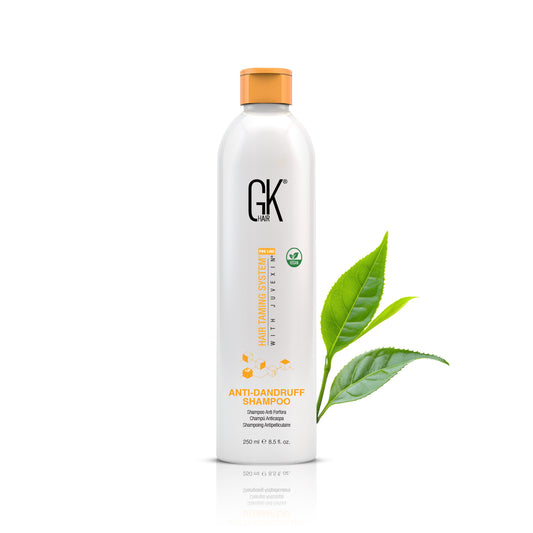
Bei empfindlicher Kopfhaut benötigen Sie beruhigende Inhaltsstoffe, die keine zusätzlichen Reizungen verursachen. Achten Sie auf Behandlungen, die frei von Sulfaten und aggressiven Konservierungsmitteln sind. Hierauf legt GK Hair besonderen Wert: sulfatfrei und parabenfrei. GK Hair’s Anti-Schuppen-Shampoo hilft, die Kopfhaut zu beruhigen und mit Feuchtigkeit zu versorgen. Es lindert Reizungen und hilft, Schuppen und Schuppenbildung zu kontrollieren. GK Hair’s Leave-In Conditioner Cream kann anschließend verwendet werden, um das Haar weiter zu nähren.
Hier ist ein weiterer umfassender Leitfaden zu den besten leave-in-Behandlungen für verschiedene Haarprobleme. Lesen Sie mehr unter: Der beste Leave-In-Conditioner für trockenes, krauses Haar: Ein Expertenratgeber zu Formeln, Inhaltsstoffen und Top-Empfehlungen
Eine vollständige Kopfhautpflegeroutine aufbauen
Die leave-in-Behandlung wirkt am besten in Kombination mit einem ganzheitlichen Ansatz zur Kopfhautpflege. Beginnen Sie mit einem sulfatfreien Shampoo, das dem Haar seine natürlichen Öle nicht entzieht. Der Conditioner sollte dann in die Haarlänge gegeben werden, jedoch nicht an die Haarwurzeln, um das Haar nicht zu beschweren. Dieser Ansatz stellt sicher, dass jedes Produkt seine Wirkung entfaltet, ohne sich gegenseitig zu stören.
Zum Stylen verwenden Sie Hitzeschutzmittel, die die Poren der Kopfhaut nicht verstopfen. GK Hair’s Arganöl-Serum ist ein hervorragendes Abschlussprodukt, das dem Haar Glanz verleiht und Frizz beseitigt, ohne es fettig zu machen. Verwenden Sie das Serum auf sauberem, feuchtem Haar und tragen Sie es von der Haarmitte bis zu den Spitzen auf.
Häufige Fehler vermeiden
Weniger ist mehr. Viele glauben, dass mehr Anwendung bessere Ergebnisse bringt, doch das ist nicht immer so. Leave-in-Behandlungen sind konzentrierte Formeln; übermäßiger Gebrauch führt meist zu Produktablagerungen, die wiederum Kopfhautprobleme wie verstopfte Haarfollikel und Schmutzanlagerungen fördern.
Ein weiterer häufiger Fehler ist die Anwendung von leave-in-Behandlungen auf ungewaschenem Haar. Leave-ins wirken am besten auf frisch gewaschener Kopfhaut, da sie dann gut eindringen können. Wird das Produkt über Ablagerungen oder überschüssigem Fett aufgetragen, bildet sich eine Schicht, die die Wirkstoffe nicht zur Kopfhaut durchlässt.
Manche geben auch zu früh auf. Kopfhautprobleme, die schon Monate bestehen, verschwinden nicht über Nacht. Es braucht mehrere Wochen, um eine wirkliche Verbesserung zu sehen. Es wird empfohlen, eine neue Kopfhautpflegeroutine mindestens vier bis sechs Wochen anzuwenden und dann deren Wirksamkeit zu beurteilen.
Wann man einen Fachmann aufsuchen sollte
So sehr leave-in-Behandlungen die meisten gängigen Kopfhautprobleme lindern können, gibt es Fälle, in denen eine professionelle Untersuchung nötig ist. Juckreiz ohne Ansprechen auf Behandlung, Haarausfall, schmerzhafte Wunden und Schuppen können Symptome von Schuppenflechte, seborrhoischer Dermatitis oder Pilzinfektionen sein, die medizinisch behandelt werden müssen.
Juckreiz ohne Behandlungserfolg, Haarausfall, schmerzhafte Wunden oder sich ausbreitende Schuppengebiete können Anzeichen für Schuppenflechte, seborrhoische Dermatitis oder Pilzinfektionen sein, die alle medizinisch behandelt werden können. Wenn Sie in Produkte investiert haben und keine Besserung feststellen, sollten Sie einen Hautarzt aufsuchen. Er wird helfen, zugrundeliegende Probleme zu erkennen und eine Behandlung entsprechend Ihrer Kopfhautprobleme zu verschreiben.
Umstieg auf Leave-In-Pflege
Der Umstieg auf eine leave-in-Kopfhautpflegeroutine ist nicht so schwierig, wie Sie vielleicht denken. Beginnen Sie mit der Auswahl eines Produkts, das am besten zu Ihrem Hauptproblem passt, sei es Trockenheit, Schädigung oder Empfindlichkeit. GK Hair bietet Lösungen für Ihre haarbezogenen Anliegen, sei es Kopfhautprobleme, Haarausfall oder trockenes Haar.



Einen Kommentar hinterlassen